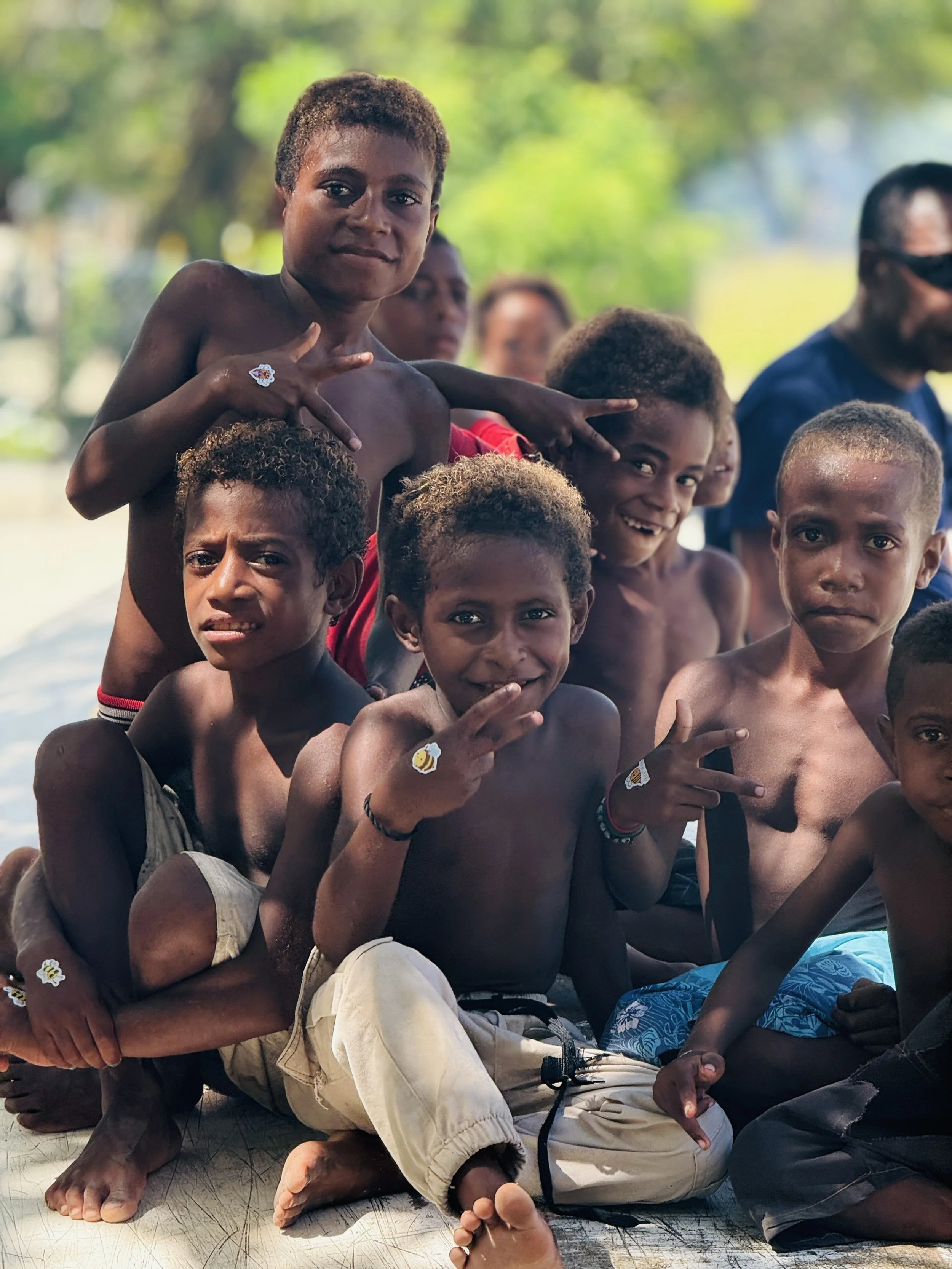
MALASIGA
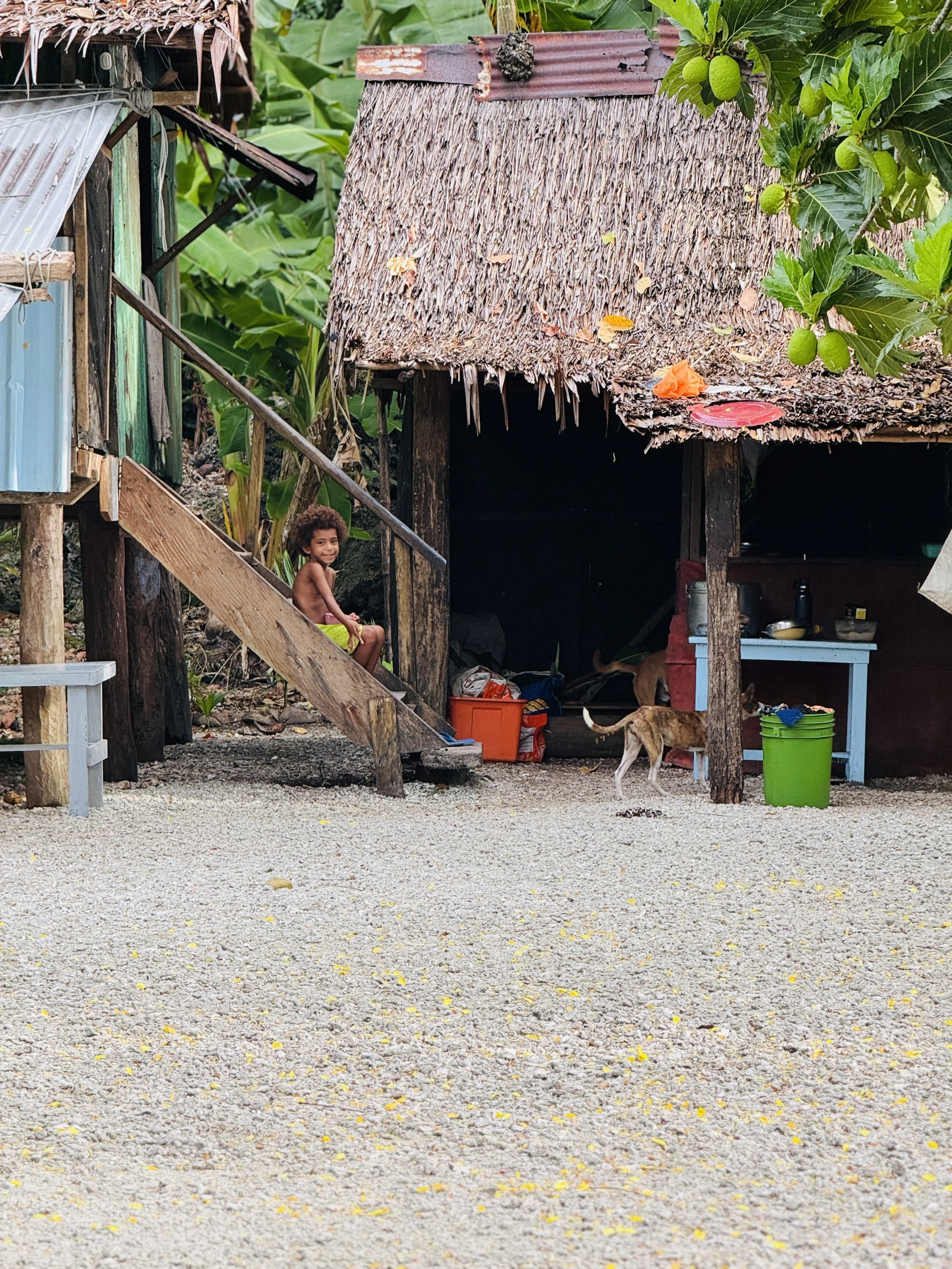
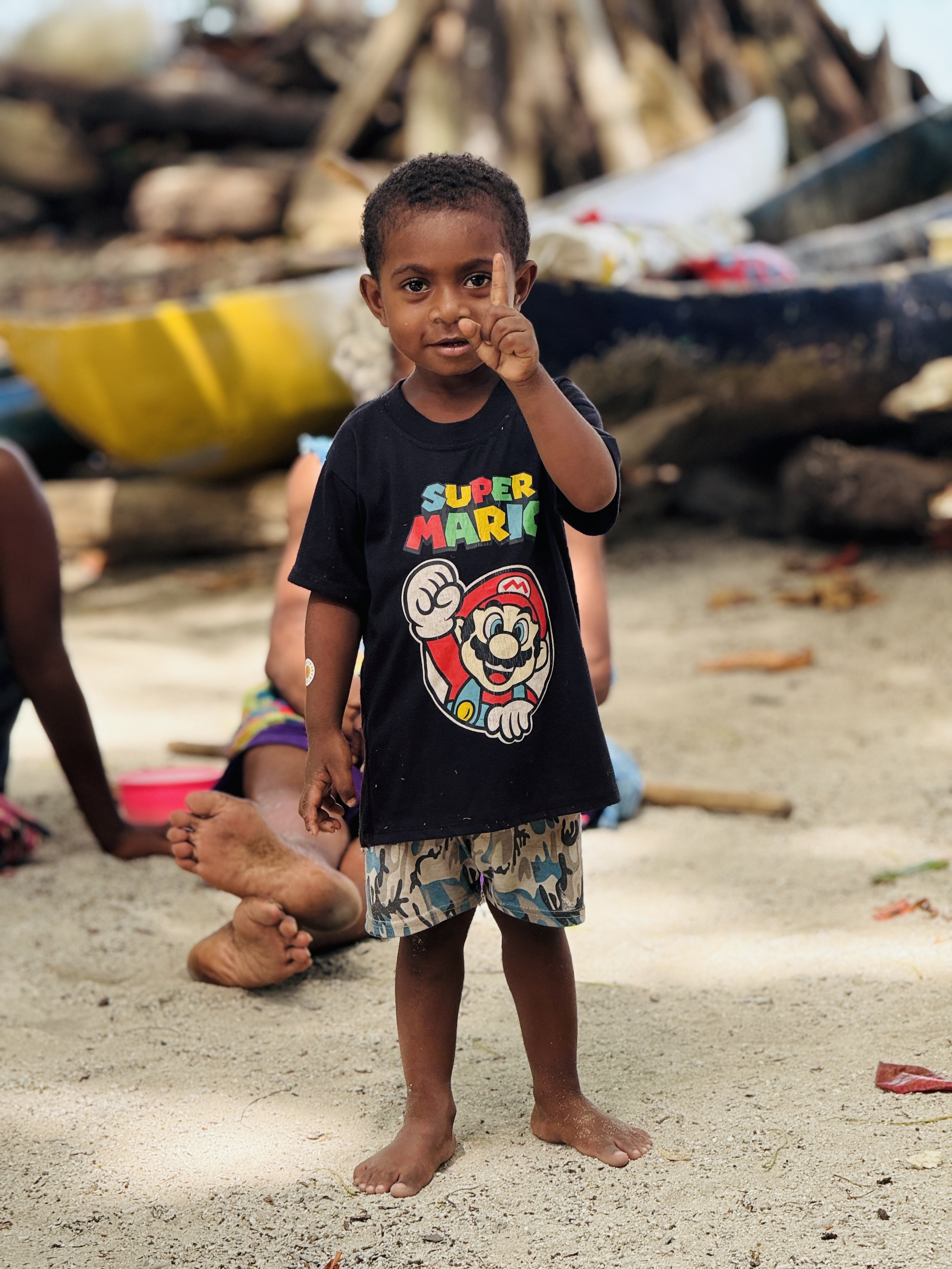
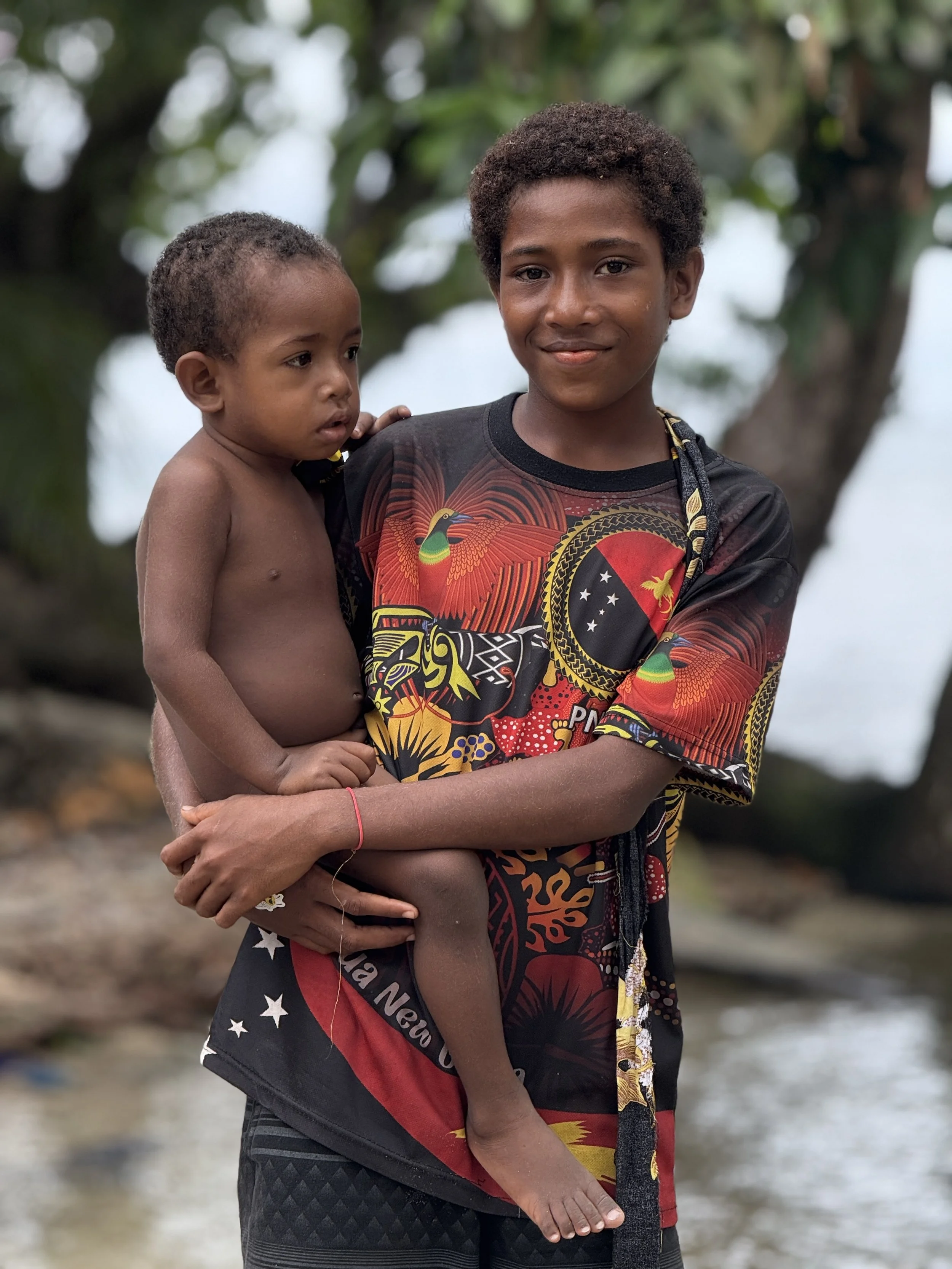
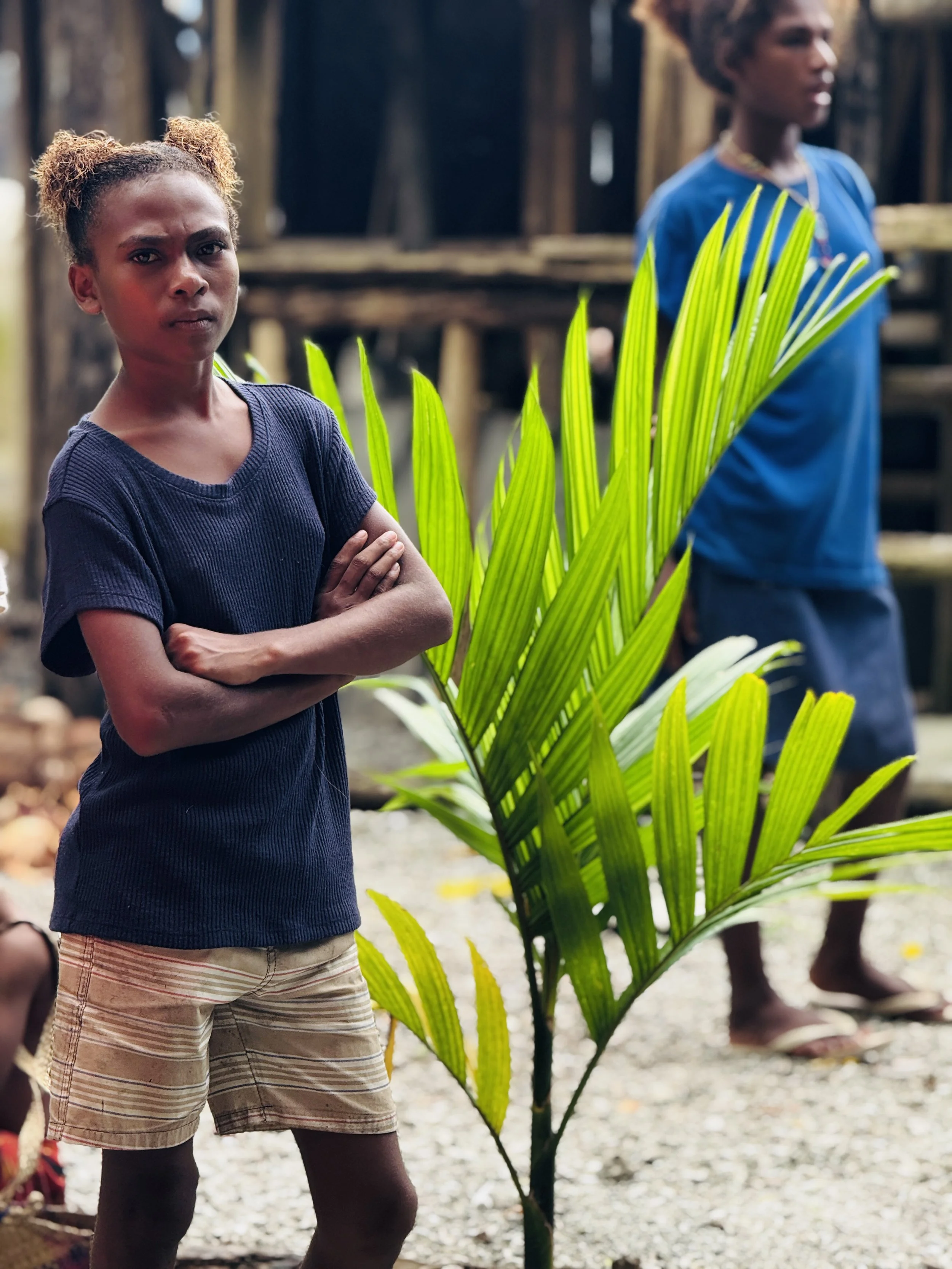
This is Nelson. He talks tenderly to me in his endangered language, Tami. He jabbers away, with a serious tone, in Tok Pisin, pidgin English, a glorious mash-up language, almost within my reach. He is so earnest. I feign understanding to keep him talking because he is just so delicious. I nod and smile, and he lets me stroke his cheek as he tells me things. He tilts his wee head back to look into my eyes and stare. I see my family in his face and am convinced we share lineage.
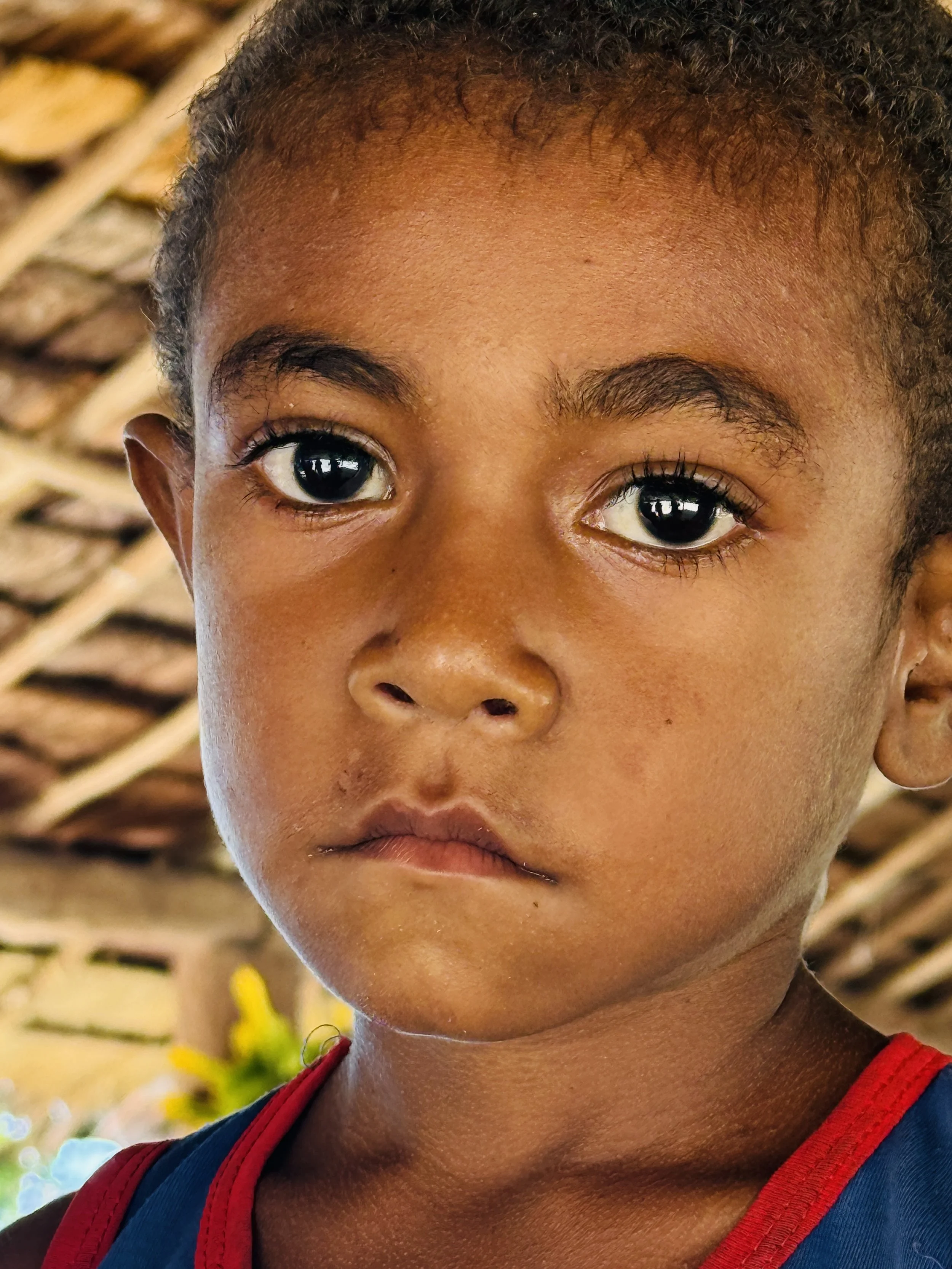
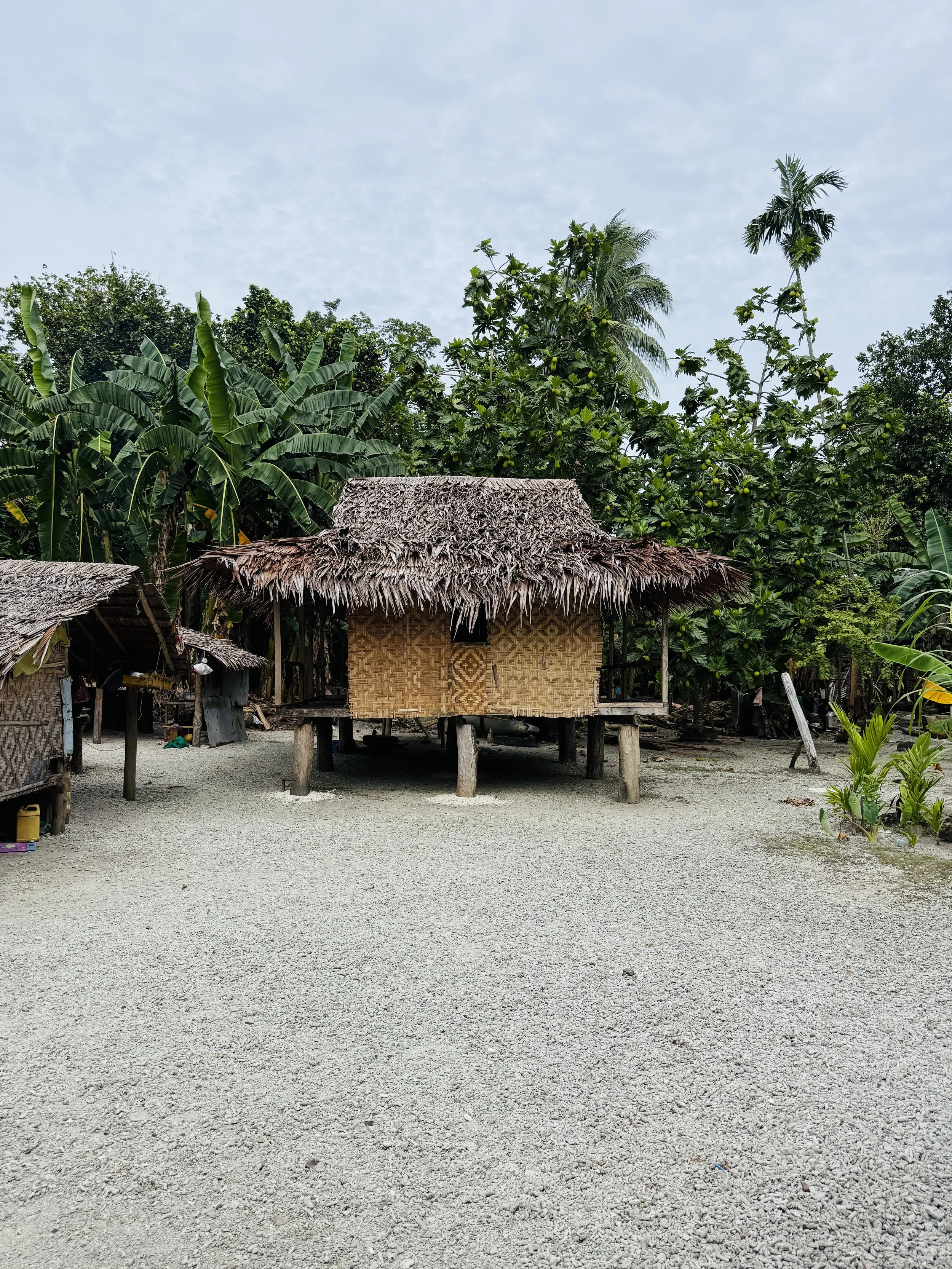
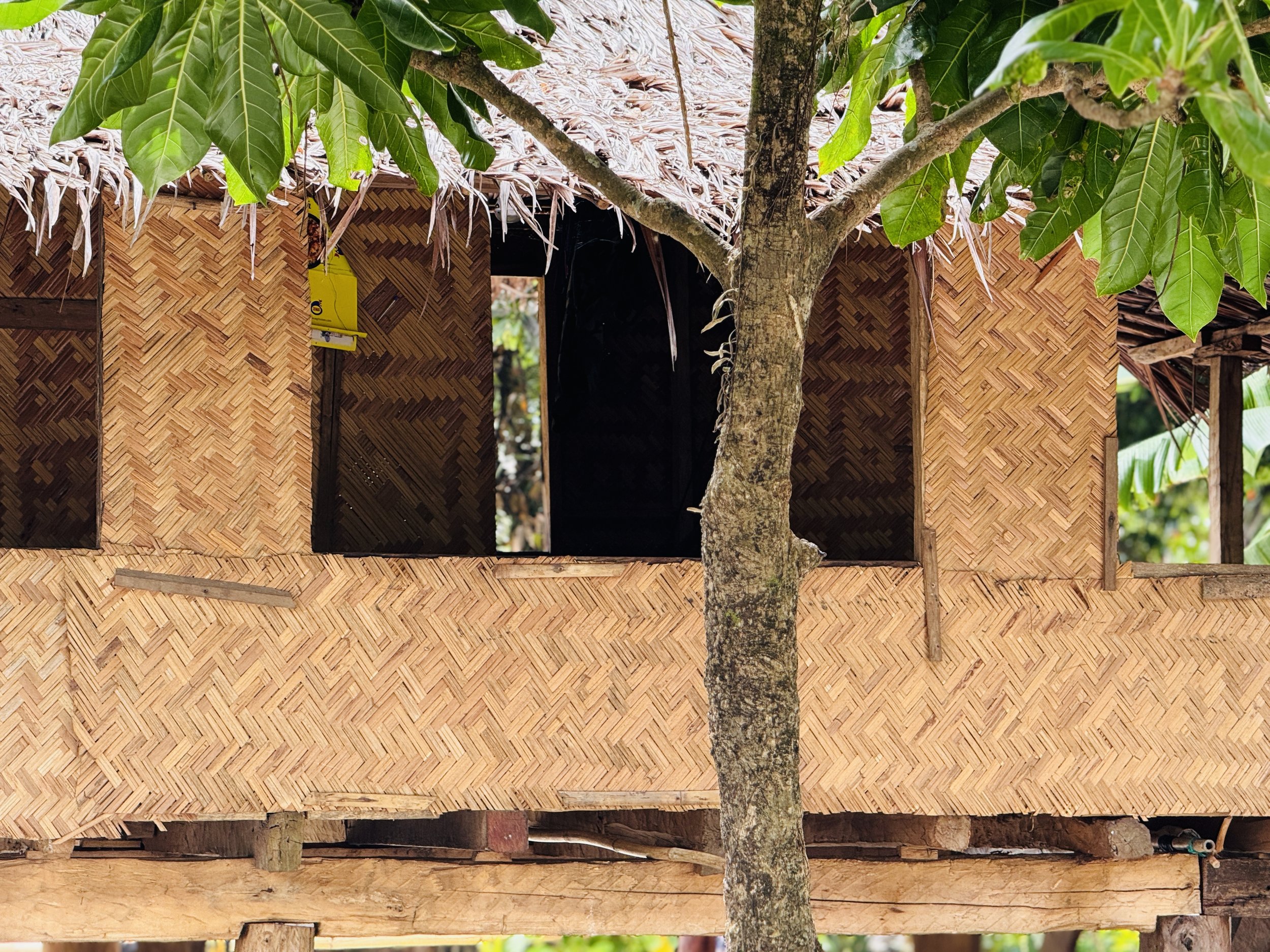
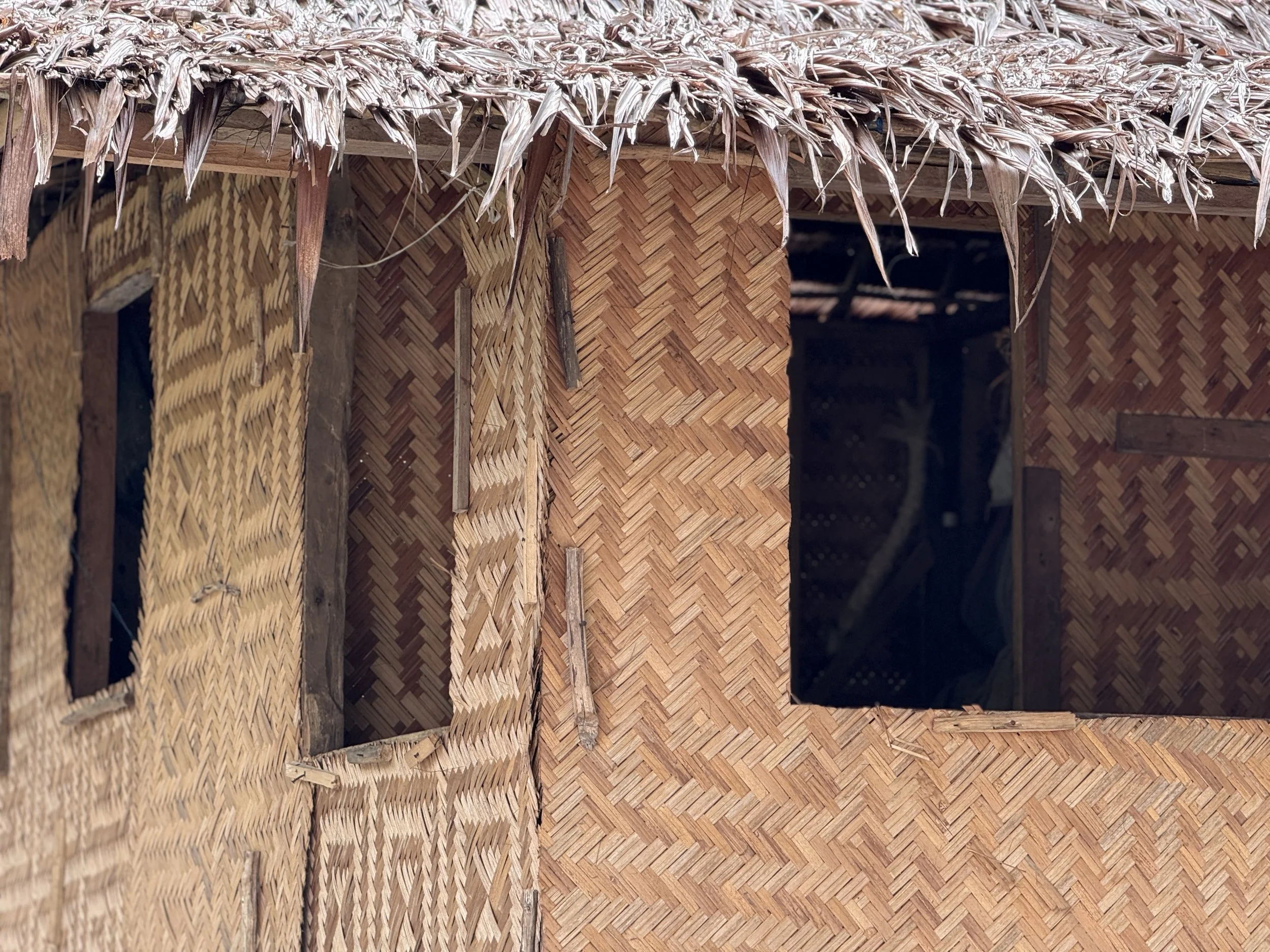
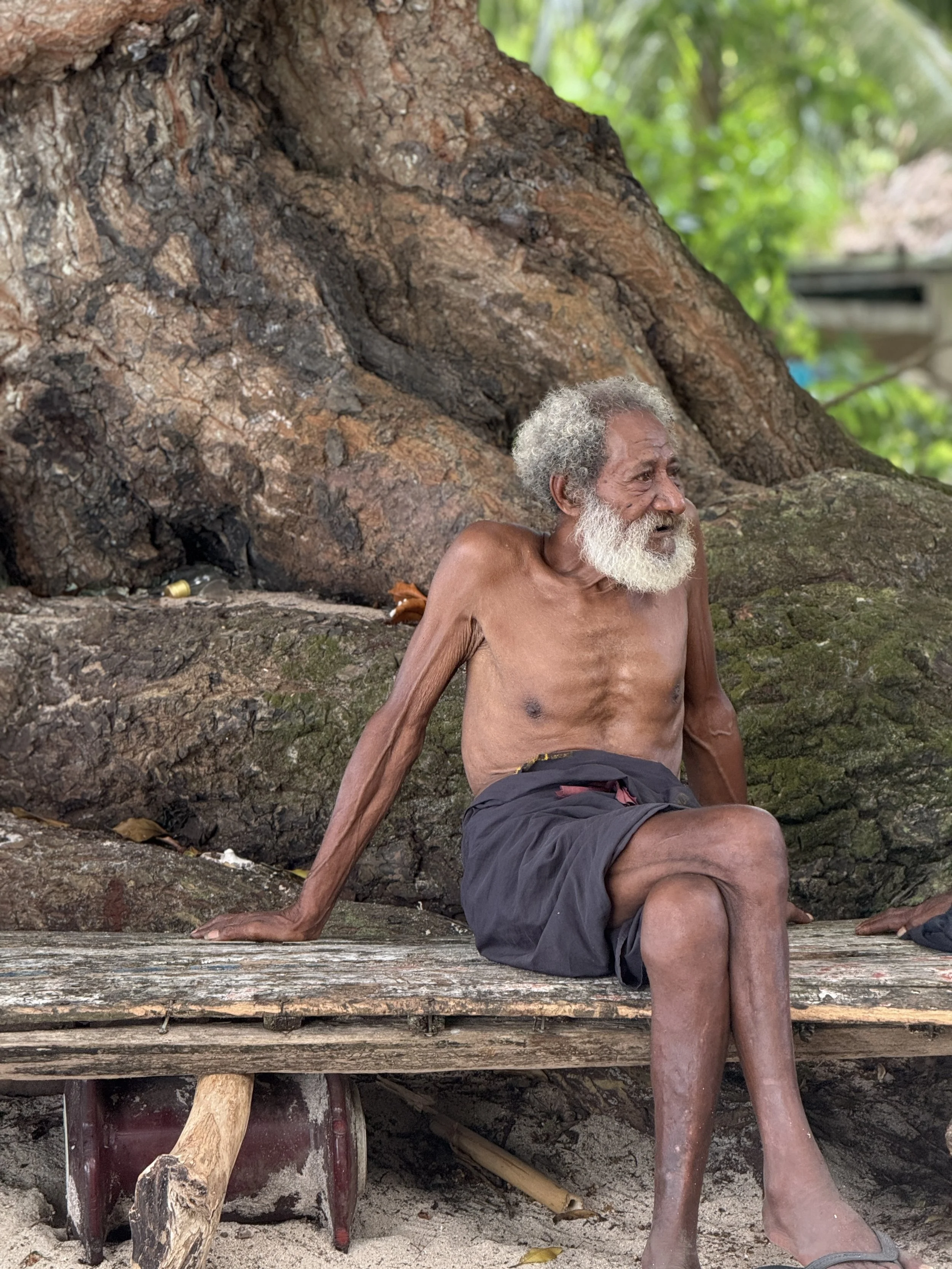
Nelson hangs close by my side, always touching, always serious, nudging the other children out of the way to get the closest, claiming me as his friend. I am all in. Pikinini bilong me. He bodyguards me to the bathroom, a beautiful four-walled structure, crafted with panels elegantly woven from palm fronds, constructed in a tree, perched over the shoreline, the hole dropping to the lapping tide. I walk and Nelson holds my hand as he guides me along the hibiscus-lined paths of the community. This faraway place is his home, and it is his dear face I see as I reflect on my week in his village.
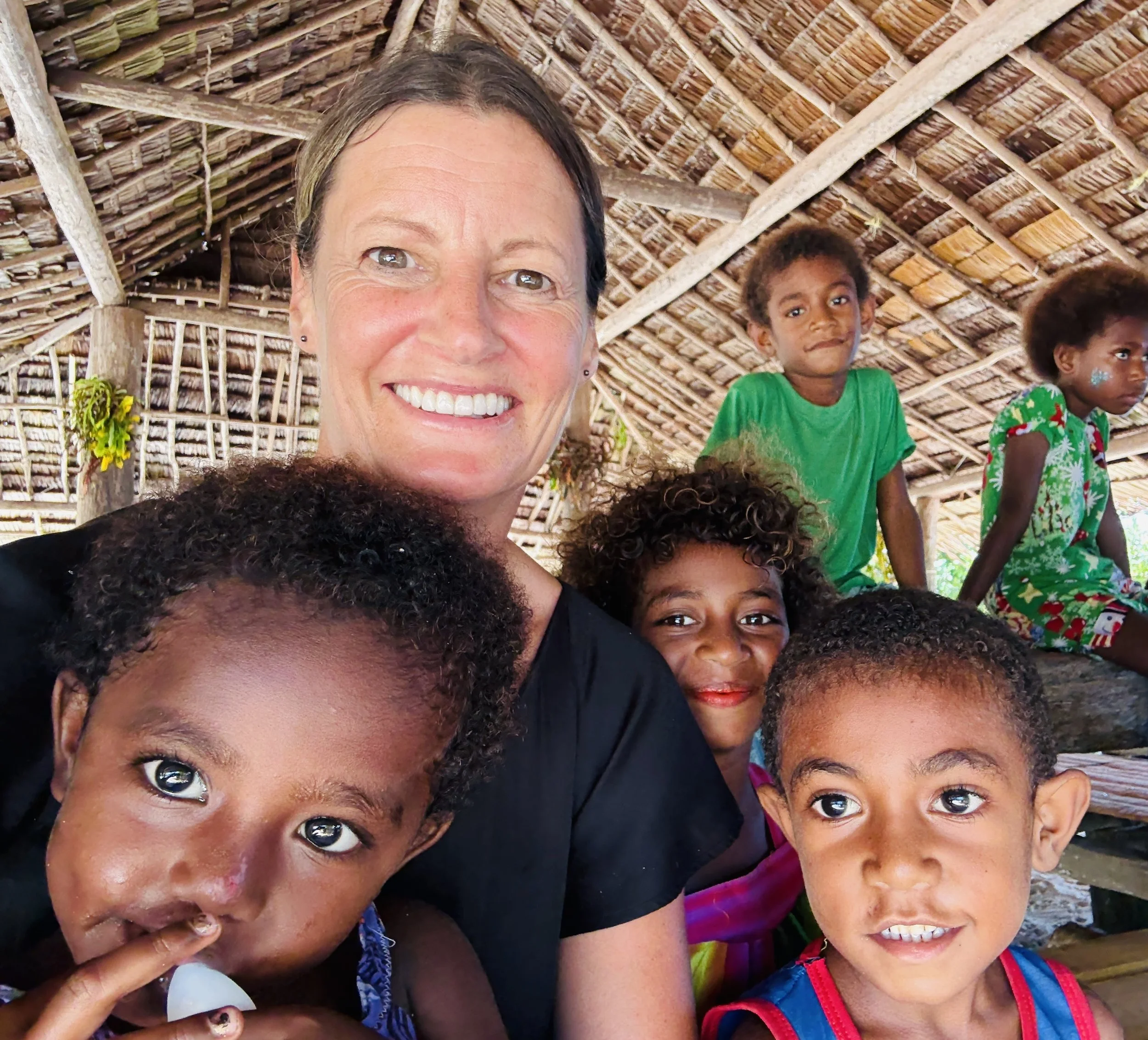
We were welcomed to Malasiga Village like it was the second coming, which in many ways it was. In 1982-83 our friends, Terry and Spider, came to this village to build a canoe. As young men, they lived here for months, working alongside the villagers to resurrect traditional waka-building skills and to blow on the embers of ocean-going customs and a barely visible trading voyage history.
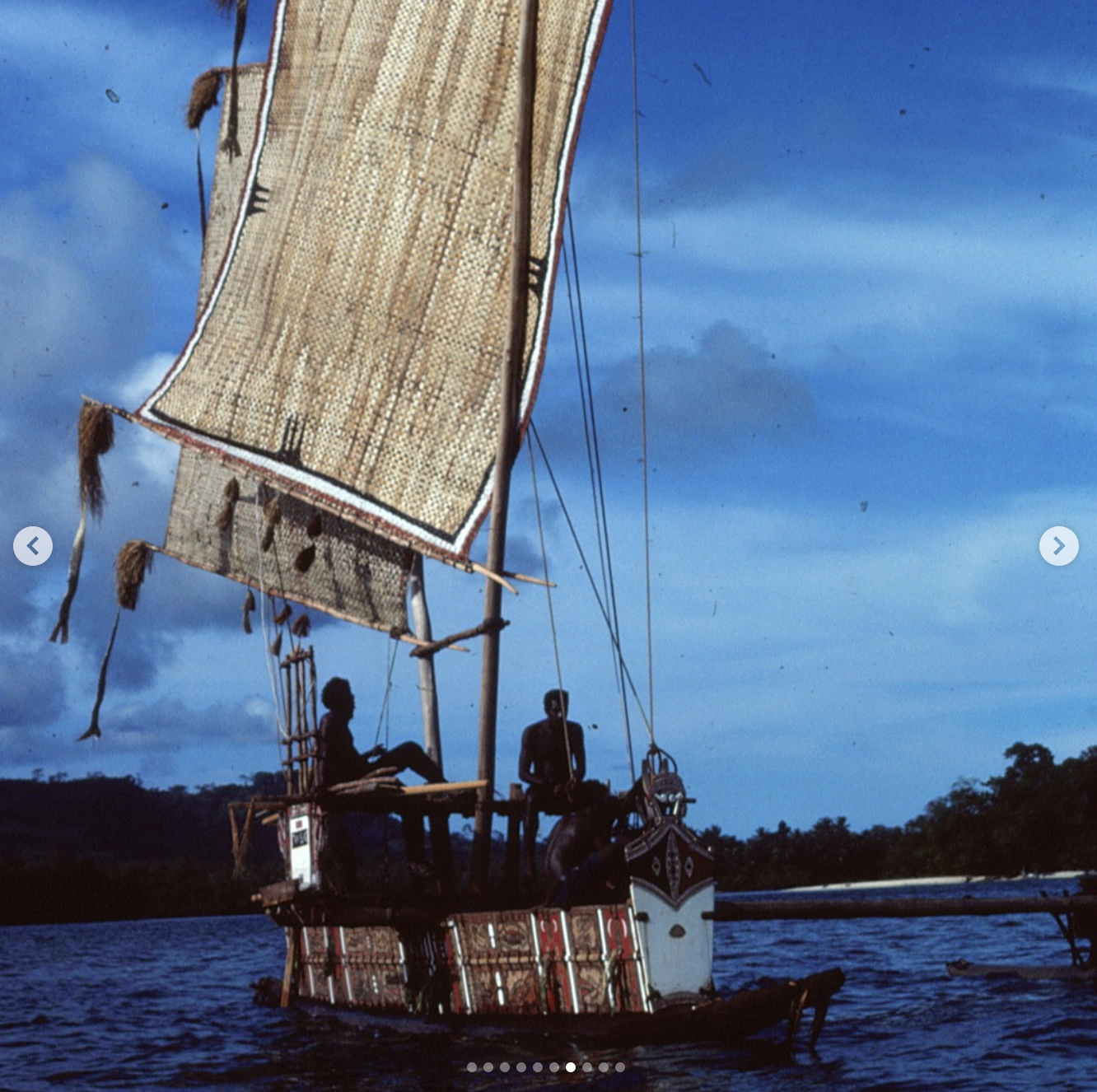
At the time they lived amongst the sailors, carvers, craftsmen and village people. The result, a stunning 43-foot traditional outrigger sailing canoe, and their names inextricably woven into Tami Island folklore. We have brought them back after 43 years and it is like Jesus himself has arrived. We tag along in the background as imposter disciples: Apostle Syndrome, if you will. We blend in.

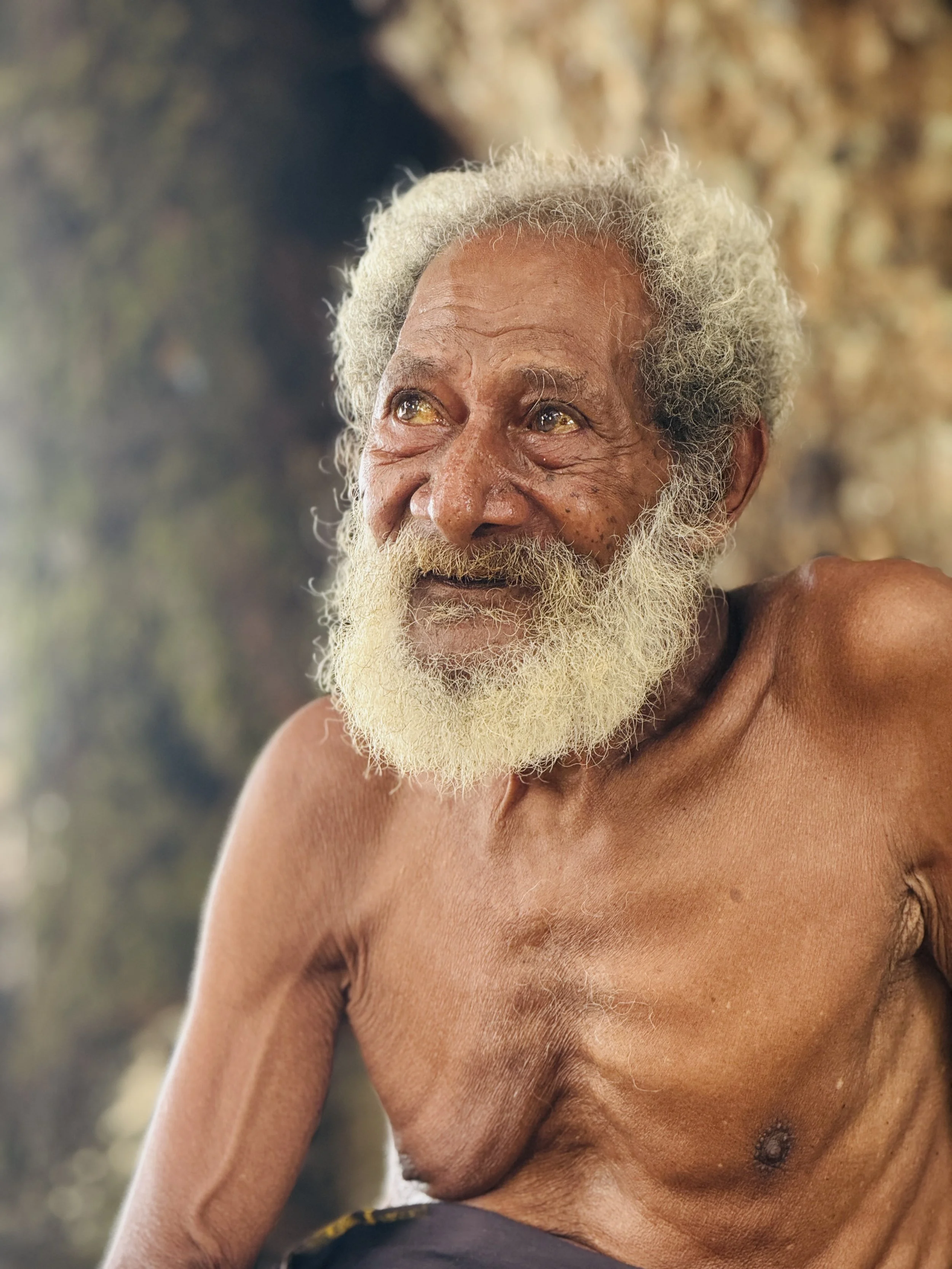
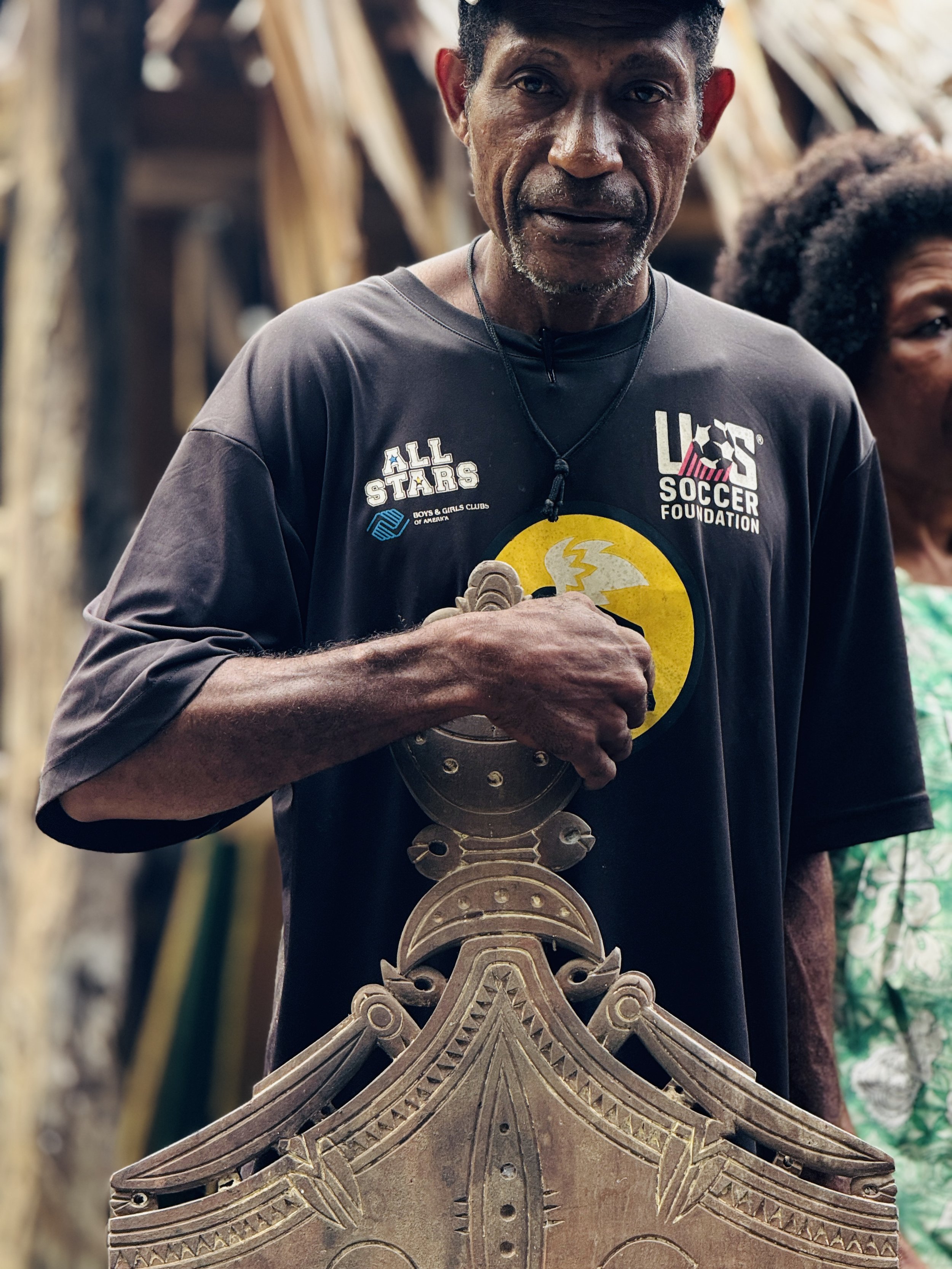
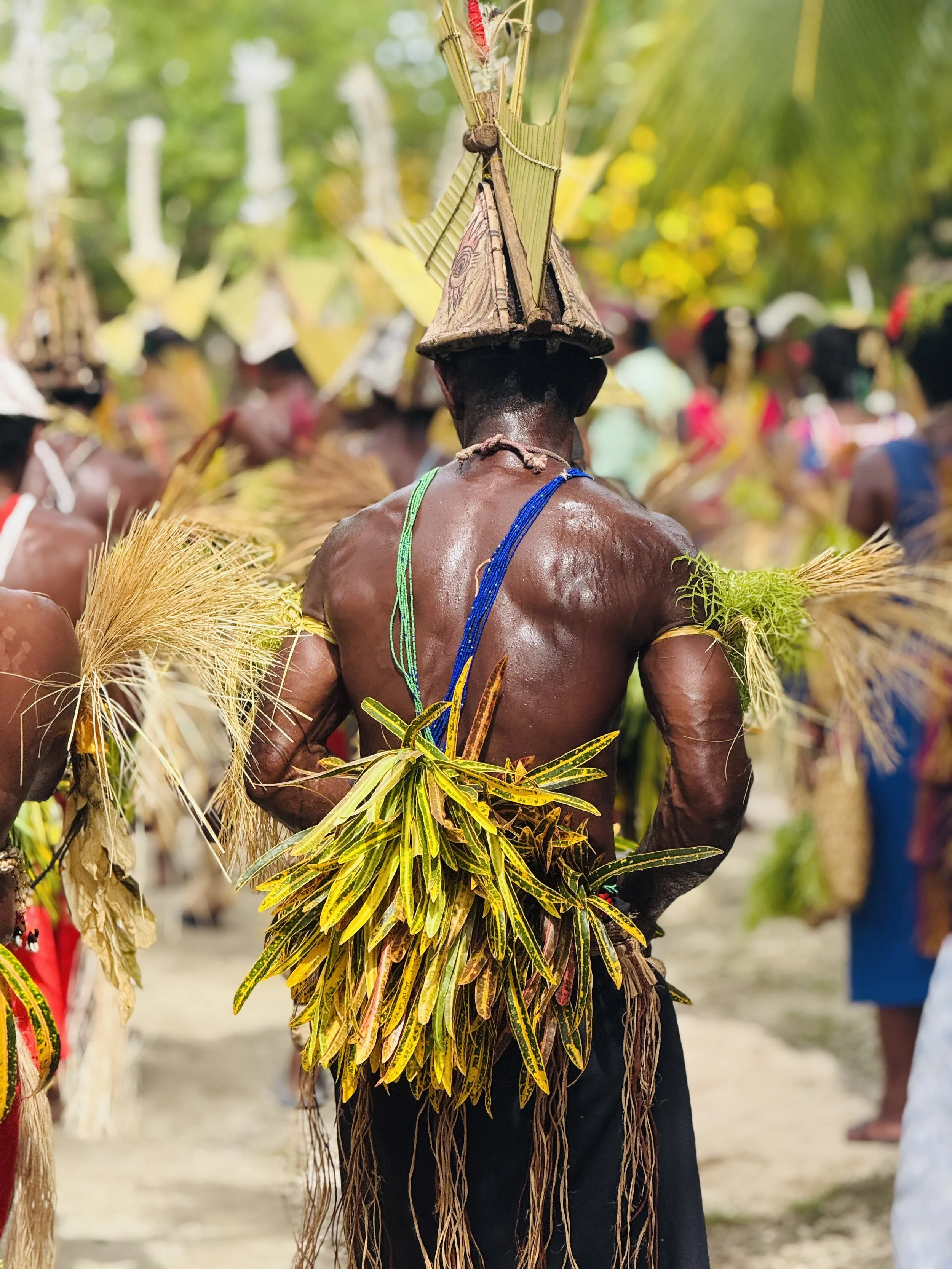
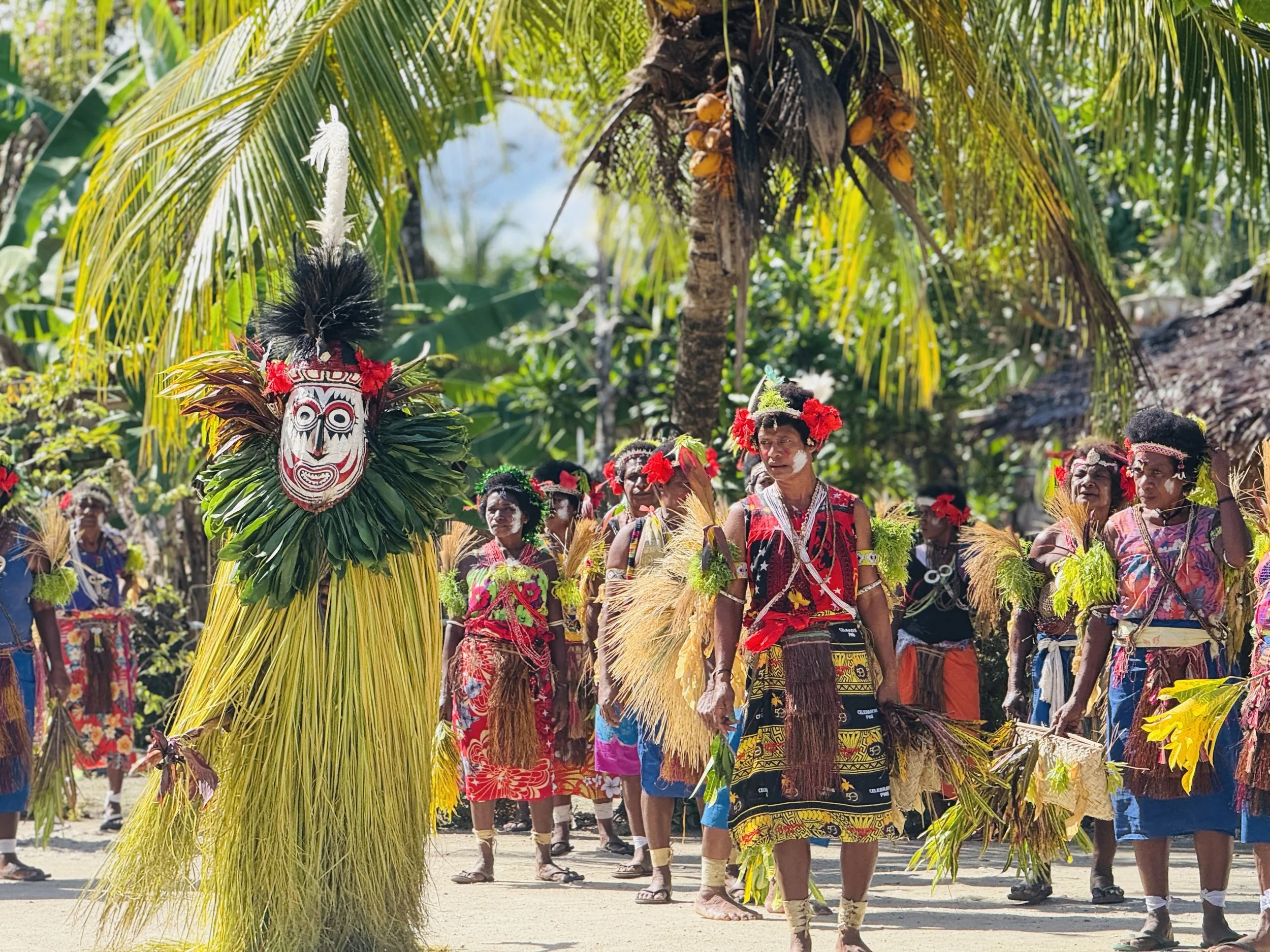
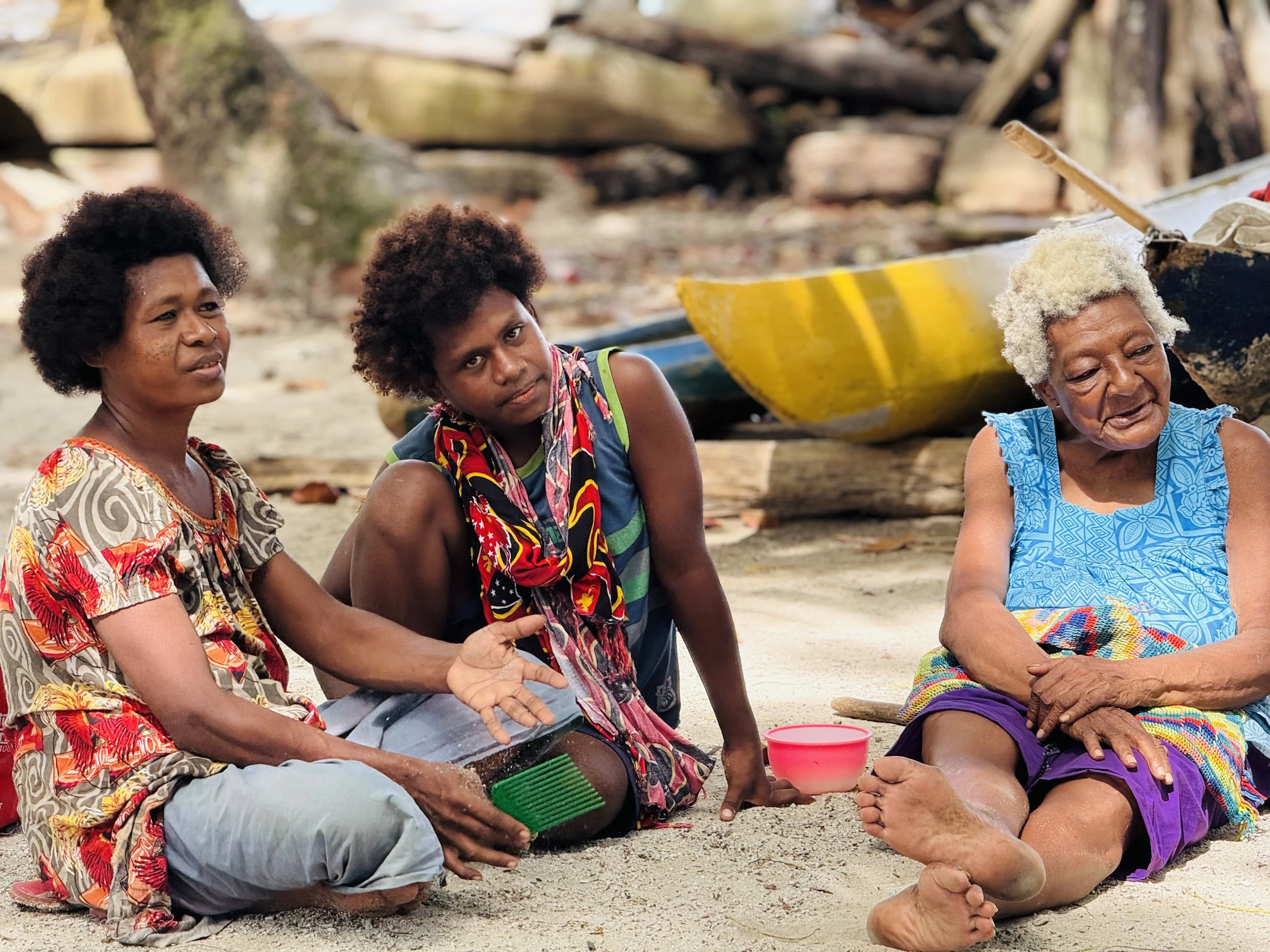
The welcome is beyond warm. Not a dry eye in the house. We join a procession of drummers, dancing and chanting in 40-degree beating heat. It feels spiritual. They decorate us in abundance. Beaded necklaces, floral garlands and shell headpiece adornments lift our temperatures, and spirits, a degree or two higher. A frail grandmother greets me like she knows me. I greet her back like she is kin-because this seems like the right thing to do. It is colourful and emotional and wonderful. I soak it all in.
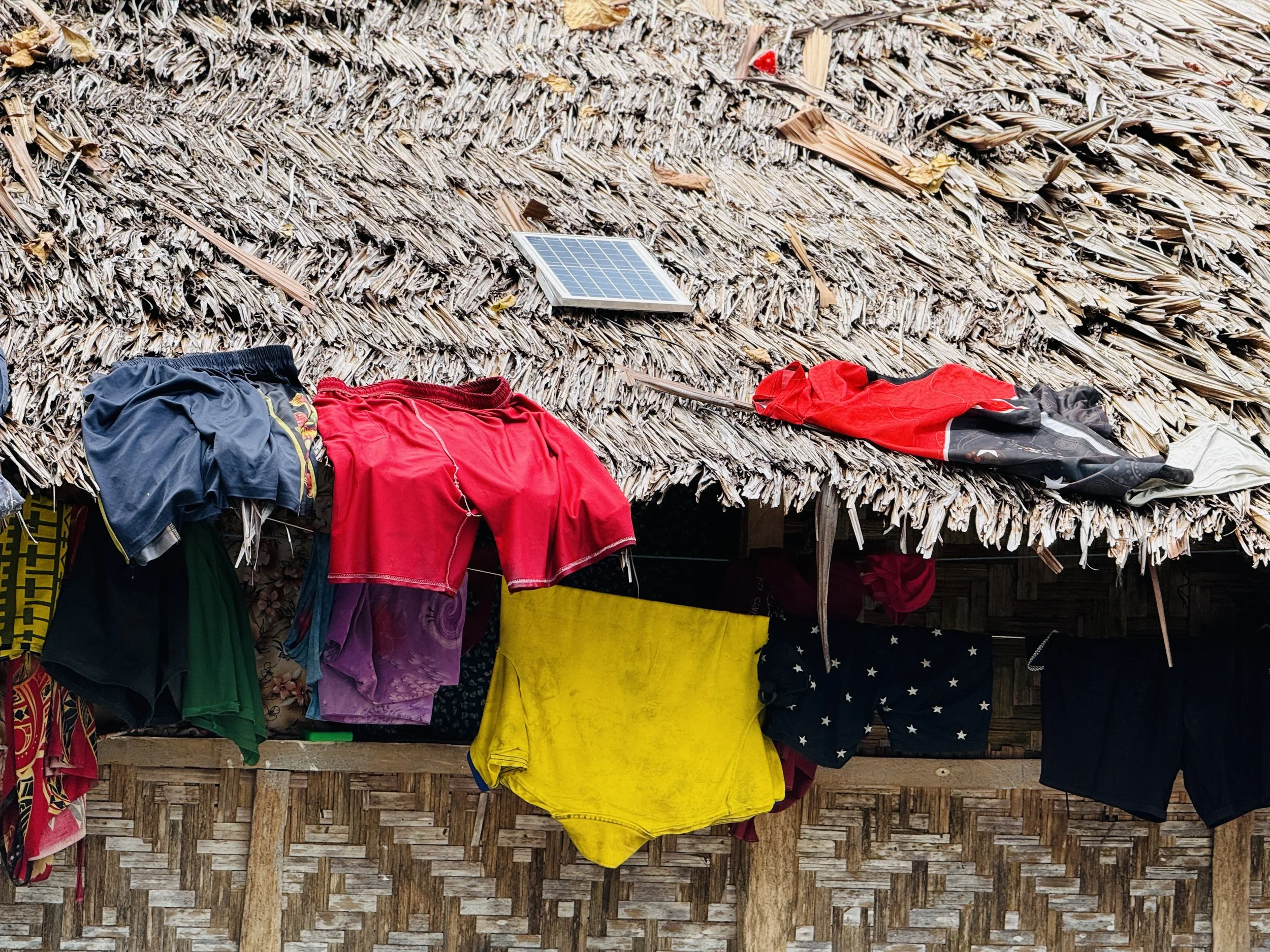
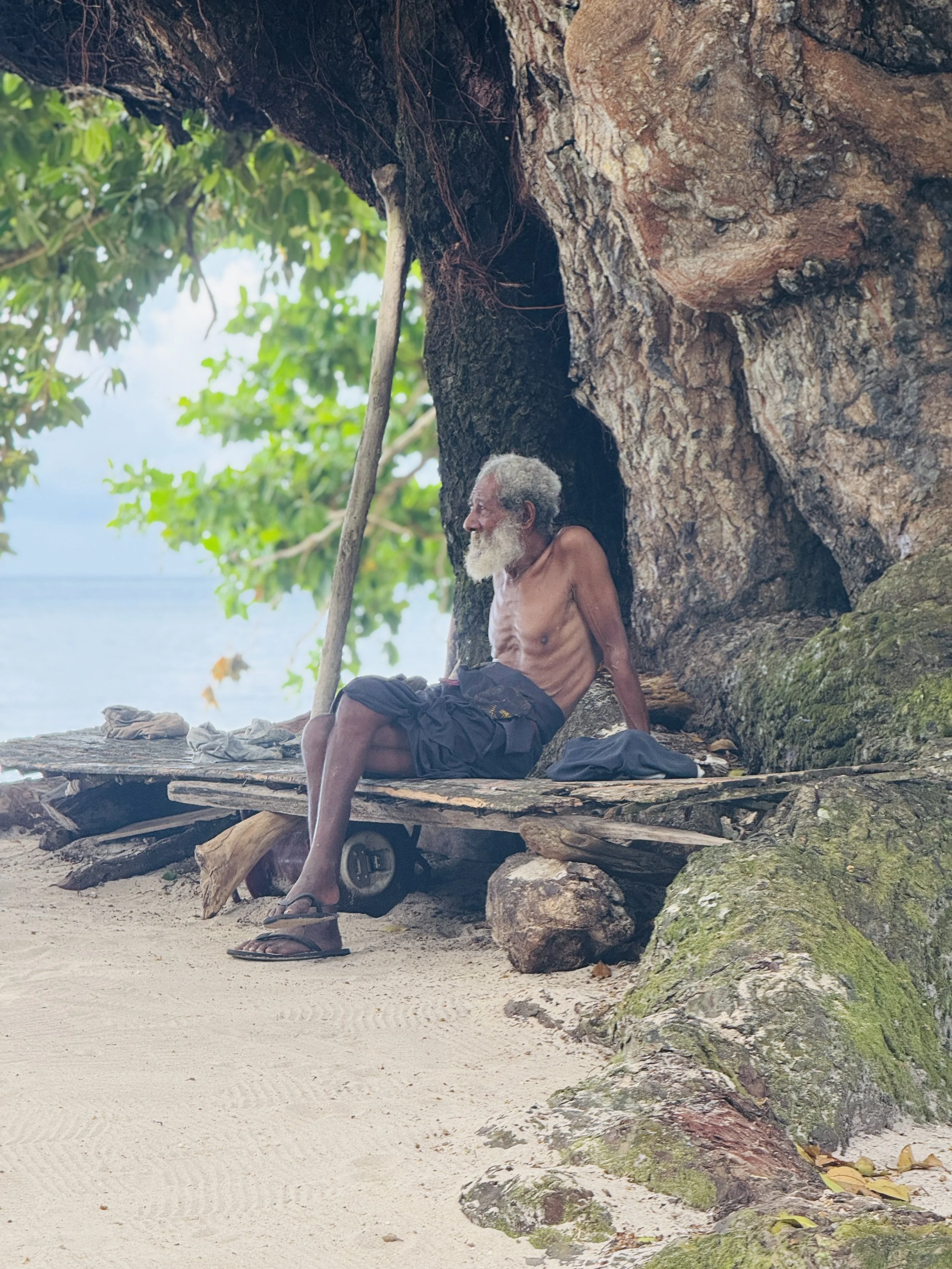
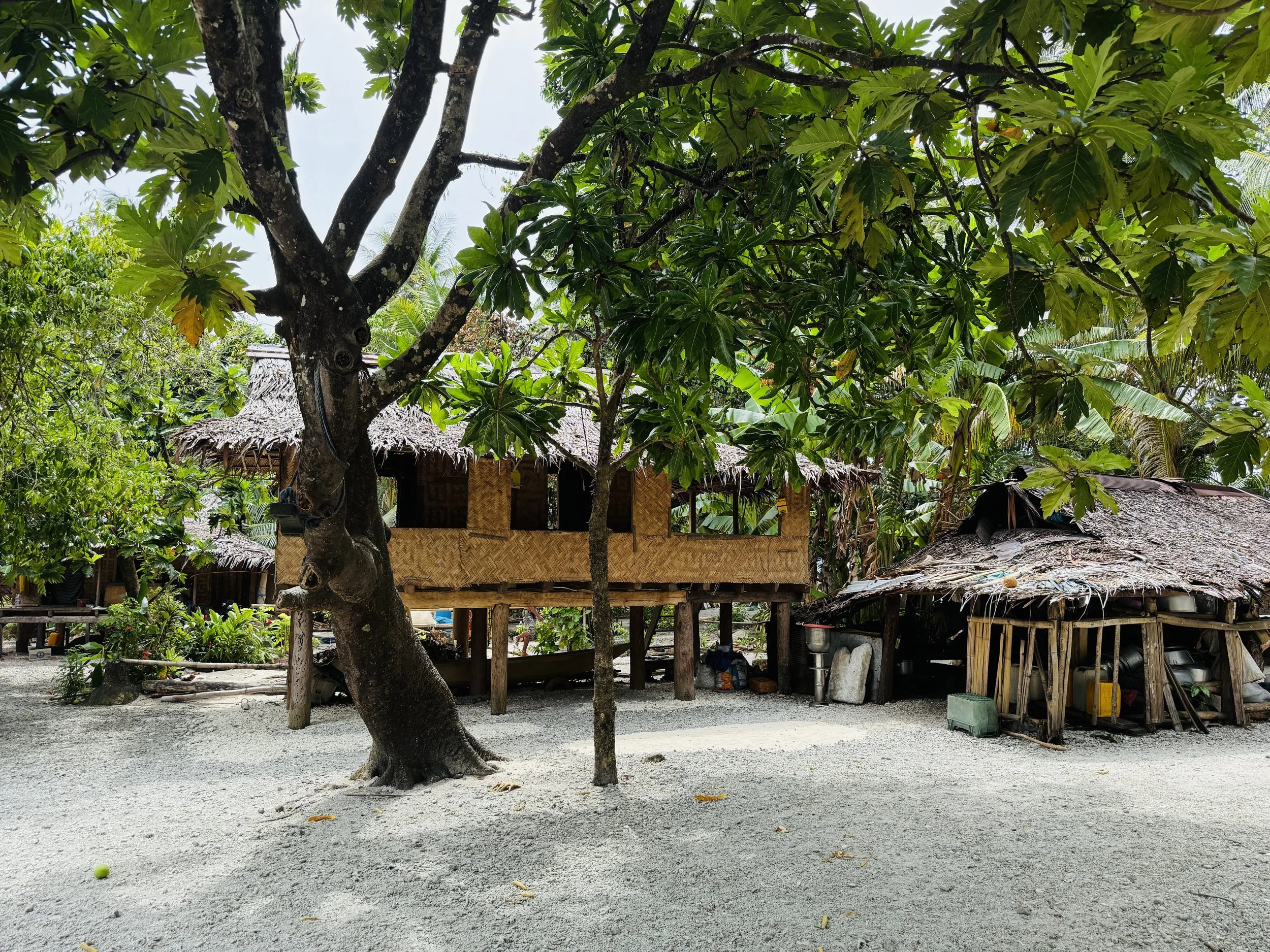
Linking 1983 to 2026 is like drawing two ends of string together. Family ties, births and deaths, alarming sea level rise and the degradation of infrastructure mark the years. Powerlines but no power, roads but no cars, babies having babies, no birth control. These gentle folk are casualties of immense outside forces, far beyond their control. Malasiga is one of thousands of settlements we see across the equatorial belt losing their land to the water. A sorrow is achingly visible. And, there is no trace of the canoe.
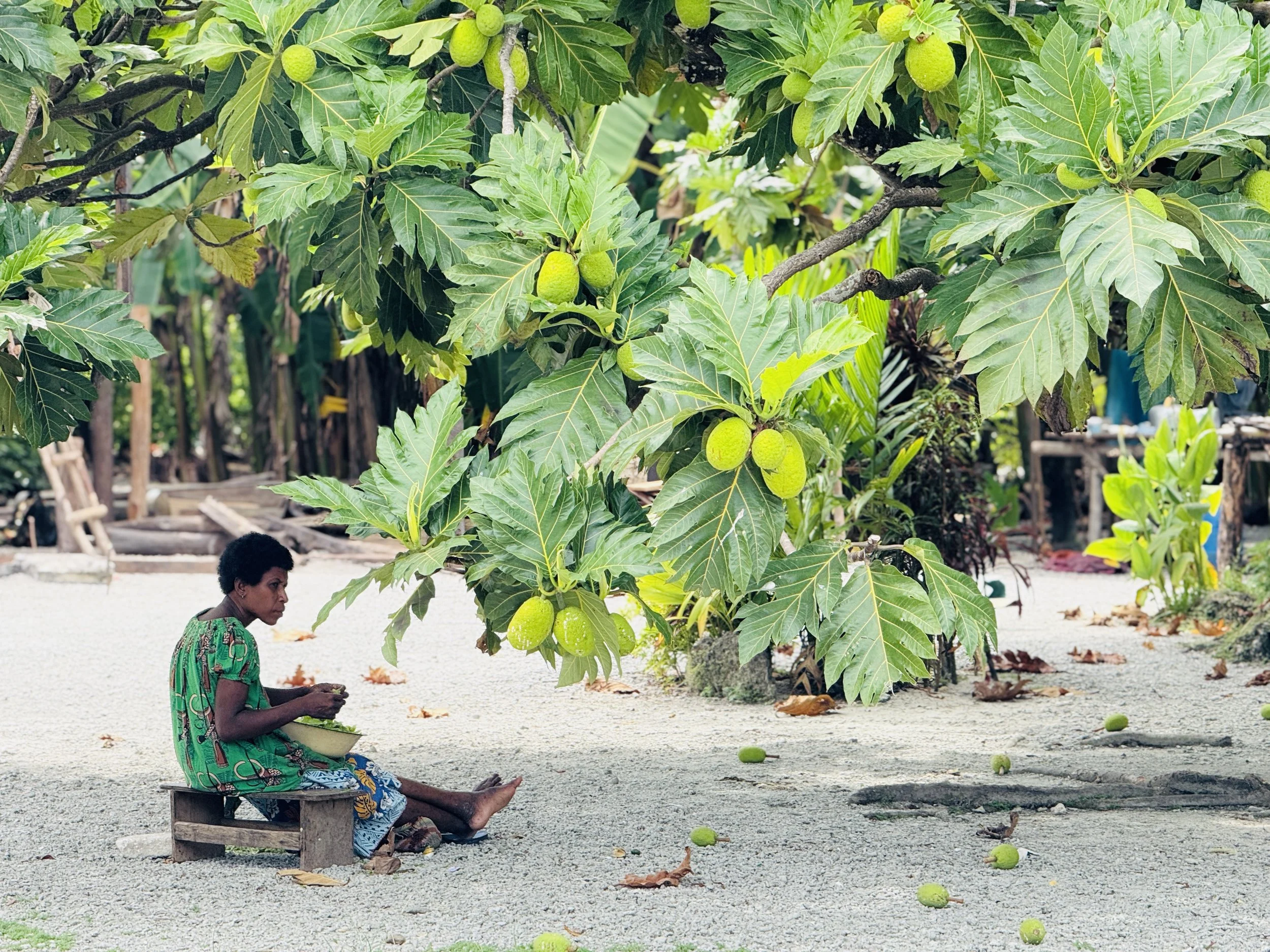
In an effort to help, our friends spend the week in meetings with the village leaders, councillors, the pastor, and their extended PNG family. We escape, explore, and eat fruit. We gorge on pineapples so zingy the acid stings. Jungle nut is a new discovery, tangy like sherbet, crunchy, it’s work to get at the flesh. Apparently I must have stolen a lot of cars in a previous life because I am allergic to mango, I resist, and I leave that for the others.
The coconut milk is so fresh it’s fizzy. There’s a knack to drinking it. You aim the shell at your mouth, then slurp through the haphazard, machete-made, misshapen hole. Pouring some of it down your front is mandatory. The fruit here is a national treasure so when I spy bottles of Coke in the village store, I am convinced that the Gods must be crazy.
A pomelo is a work of art. They are the cousin of the grapefruit, and the size of your head. It takes muscle to peel the inch-thick pith. Tearing apart the segments has a sound, and they have the colour and taste of a sunset. The flesh is made up of tiny, shiny vesicles that pop in your mouth like caviar. They are sweet and zangy, a word I made up, just to describe the flavour. This is all so joyously messy that forearms need to get involved.
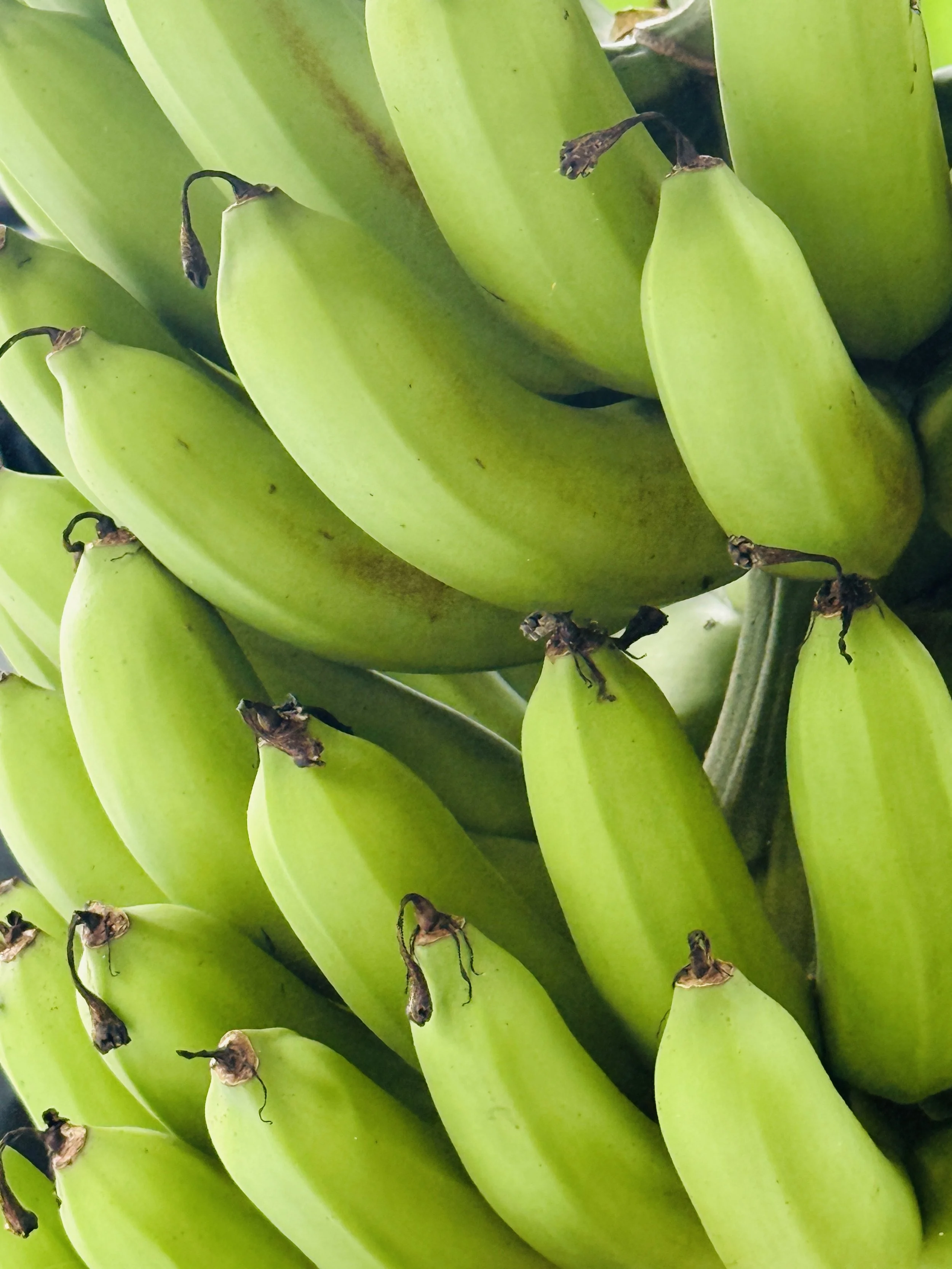
We eat bananas of all varieties. Ruth, our friendly self-appointed helper in the market, gives us a Bubba Gump-style run-down: we got cooking bananas, we got sweet bananas, we got Lady Fingers, we got plantain bananas. We try them all. Tomatoes are big and red; so firm and ripe they must have begged to be picked. The passionfruit are vivid yellow and honey-sweet, they ripen like a watercolour. Fruit has always been my favourite. As a child, I bought apricots, not lollies, with my pocket money, so this is just heaven. Wolfing down fruit makes us feral, my face is covered in sweat and juice and dust. We dive in the salty ocean to wash ourselves clean.
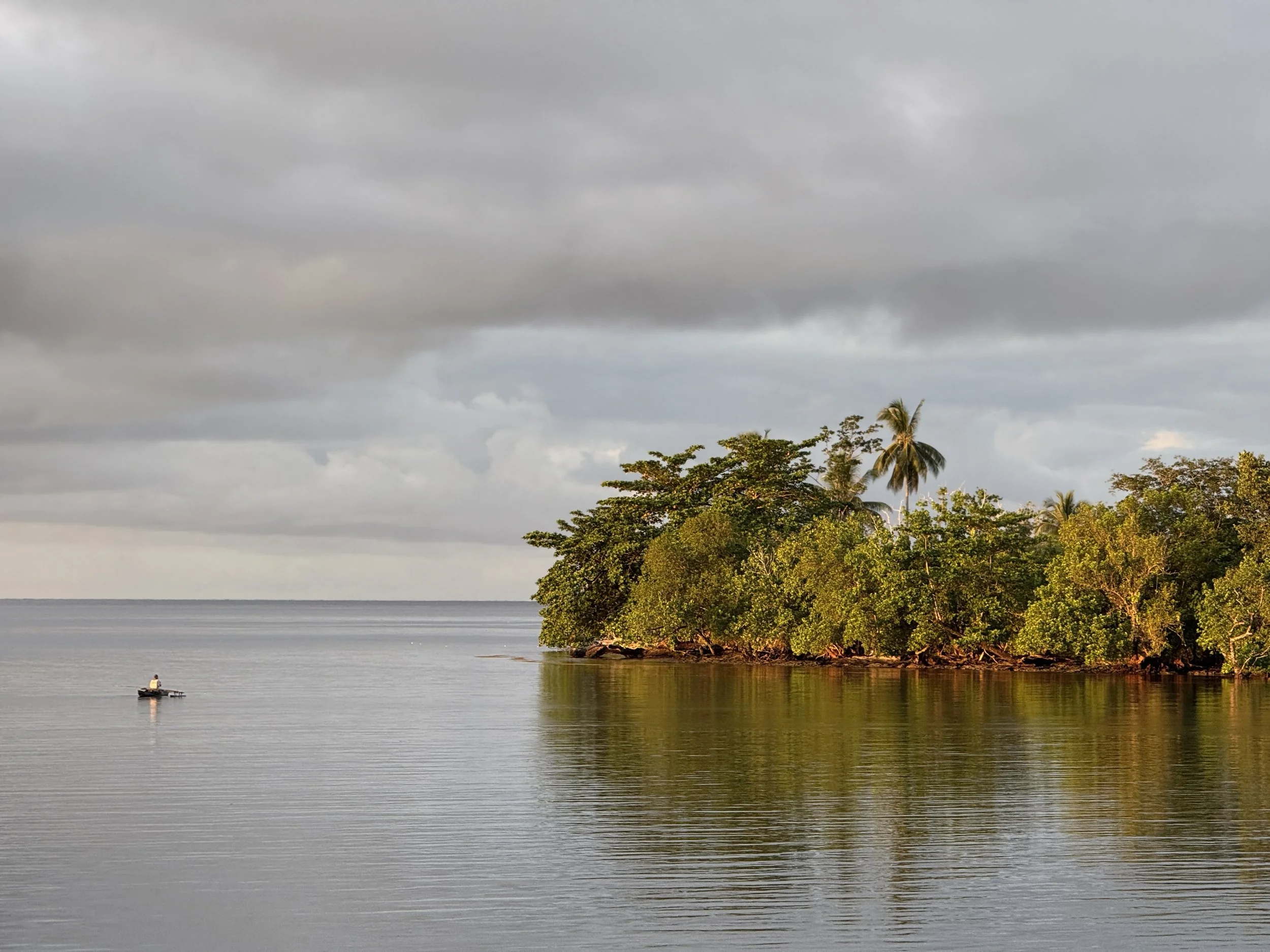
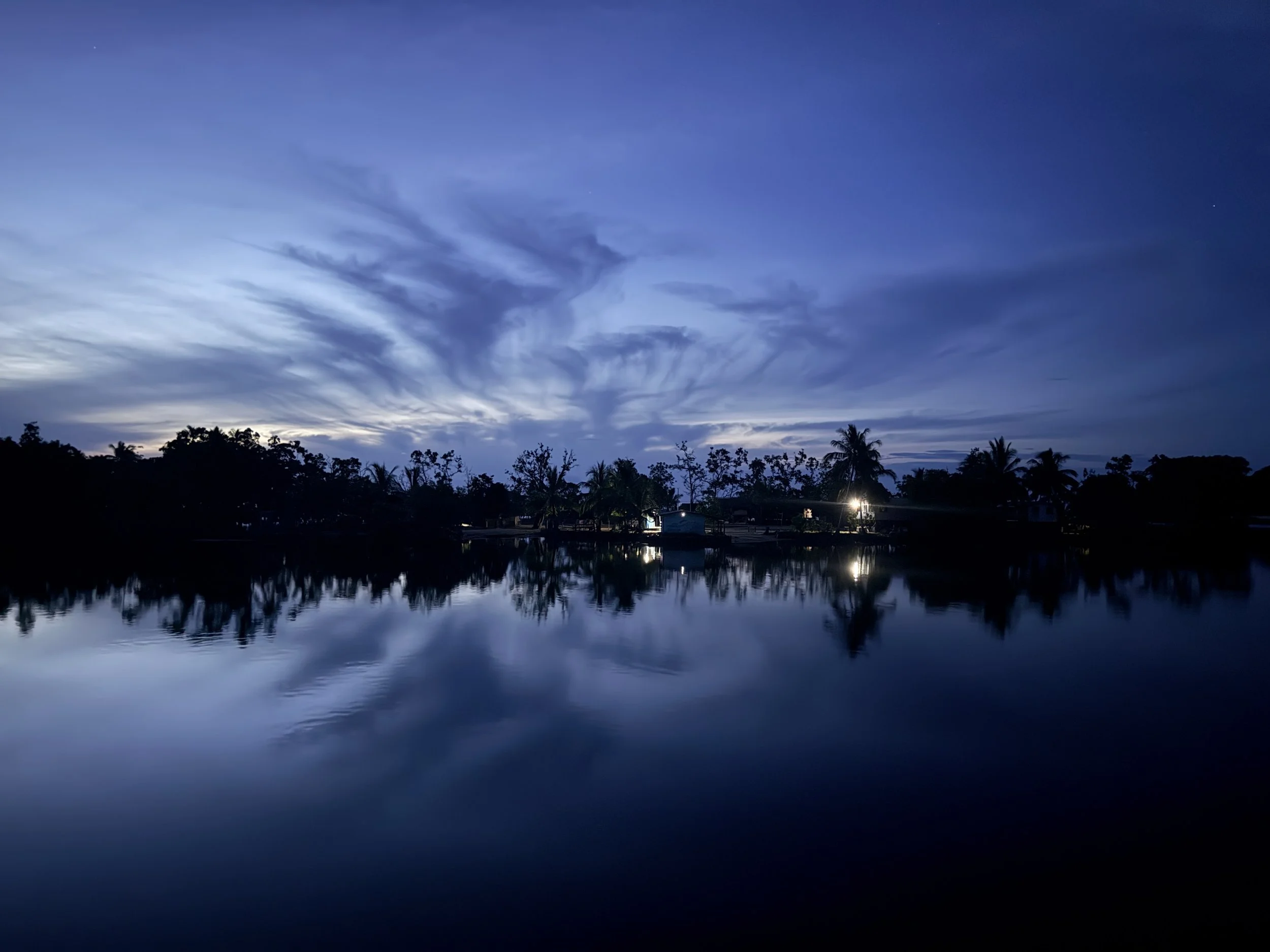
I get up early so I can snatch a couple of quiet hours alone. I watch the pigs and piglets run riot in the village while they are the only ones awake. It looks like they are playing tag. Later I see them sleeping quietly in the shade and I keep their secret. The volume of the birdsong dials up, synchronized with the sunrise. Dugout canoes start to commute. Voices emerge, babies cry, the village slowly comes to life. One dawn, I am drawn back to the future, when I see SpaceX launch 25 satellites like fire across the sky. Life is absurd.
We visit the Tami Islands. The village is noticeably orderly, well organised, tidy and happy. Life is built on uplifted coral and has been arranged methodically around outcrops and rock formations. They have gardens, perfect wood piles, a church, watering holes, wood workshops, and a lovely lagoon where we snorkel. They had swept the entire island for our arrival. It is paradise.
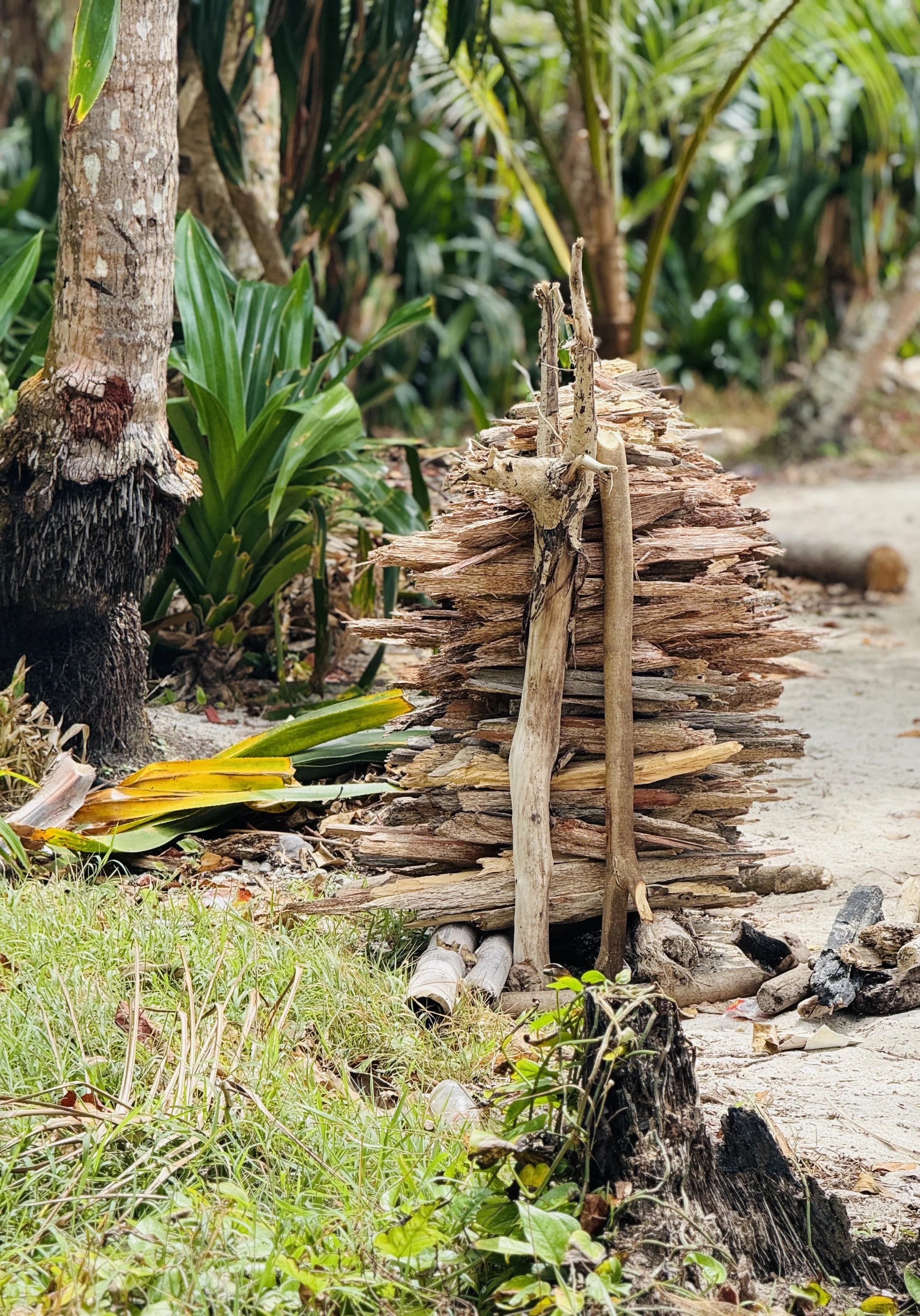
We walk in the midday heat to Kwalansam Village. This community has built their life amongst the remnants of a Psychiatric Centre for soldiers of the Australian New Guinea Administrative Unit in the Second World War. They are wholeheartedly and enthusiastically proud of the remnants of concrete. We know this because they say: come and see our concrete. Both communities ooze village pride, order and ambition. Smells like good leadership to me.
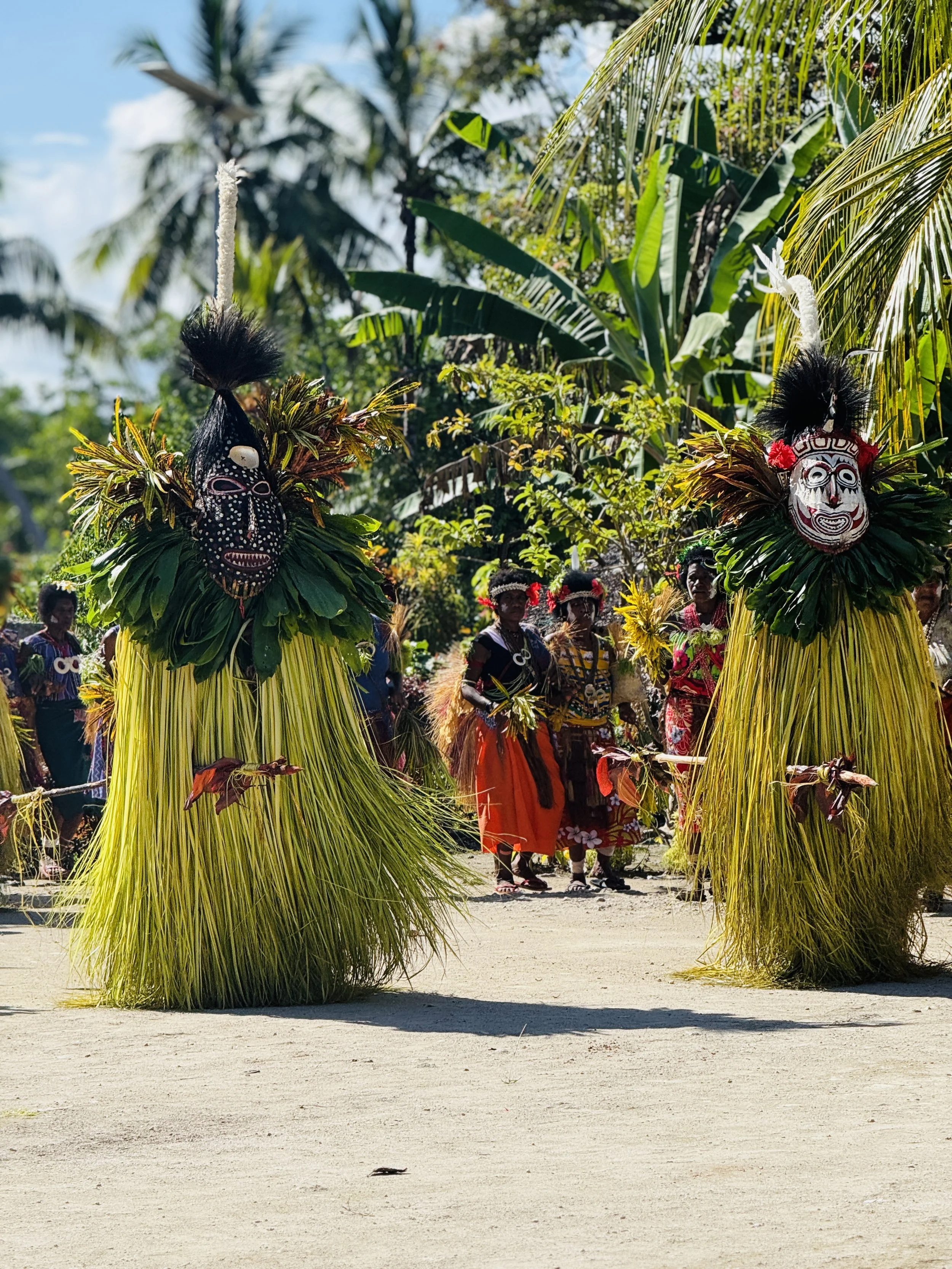
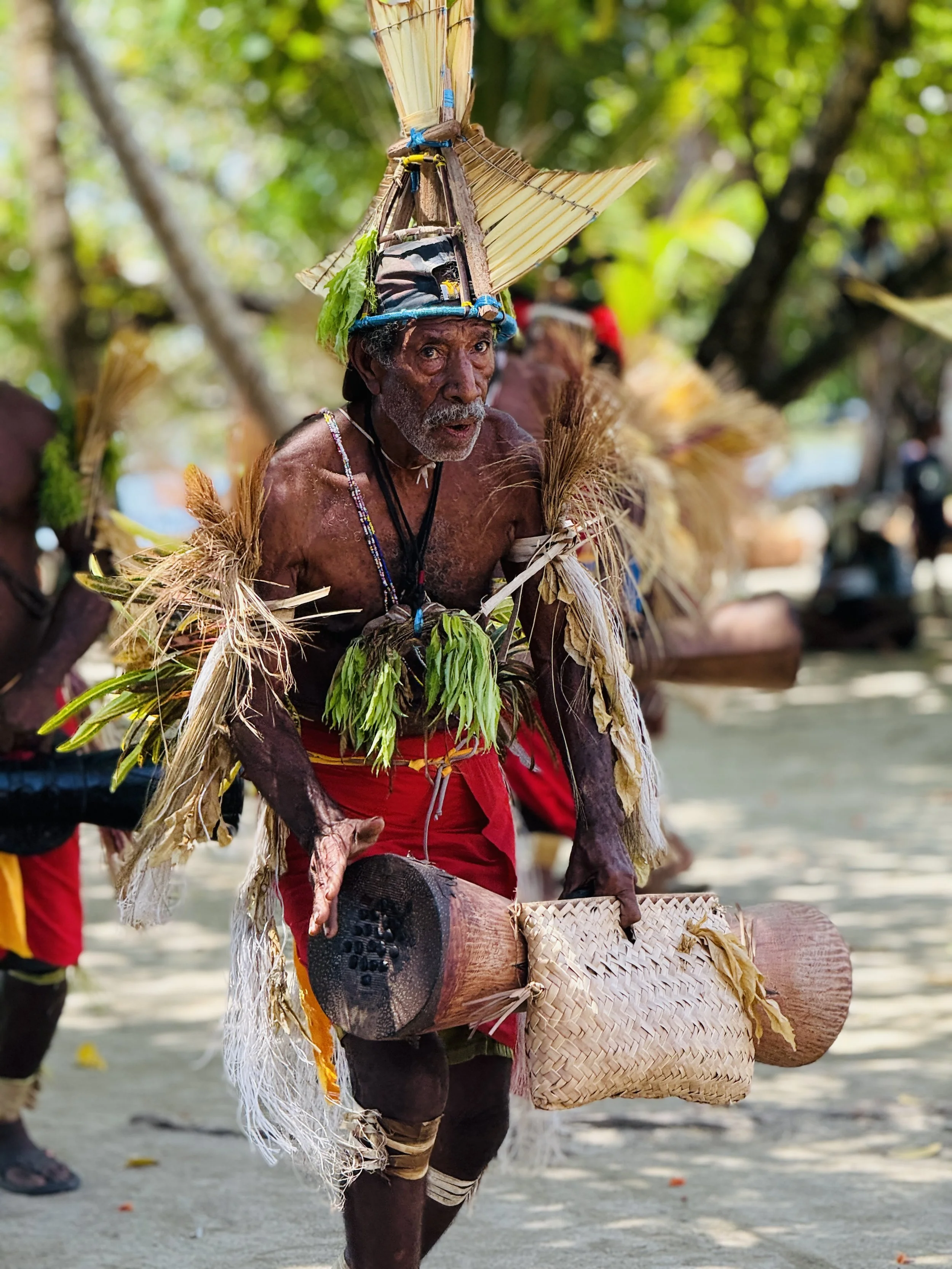
Our departure from Malasiga inspires an almighty celebration, a feast, a cooked pig, dancing and they shower us with too many gifts. The villagers dance and chant and drum for about 20 hours straight, it becomes trance-like, transcendent, repetitive. They dance to farewell us, they dance to celebrate life, and they dance to praise their people. The day is so long and hot, they are gracious about us quietly sneaking home to Strannik. We hear the drums in the distance long past midnight.
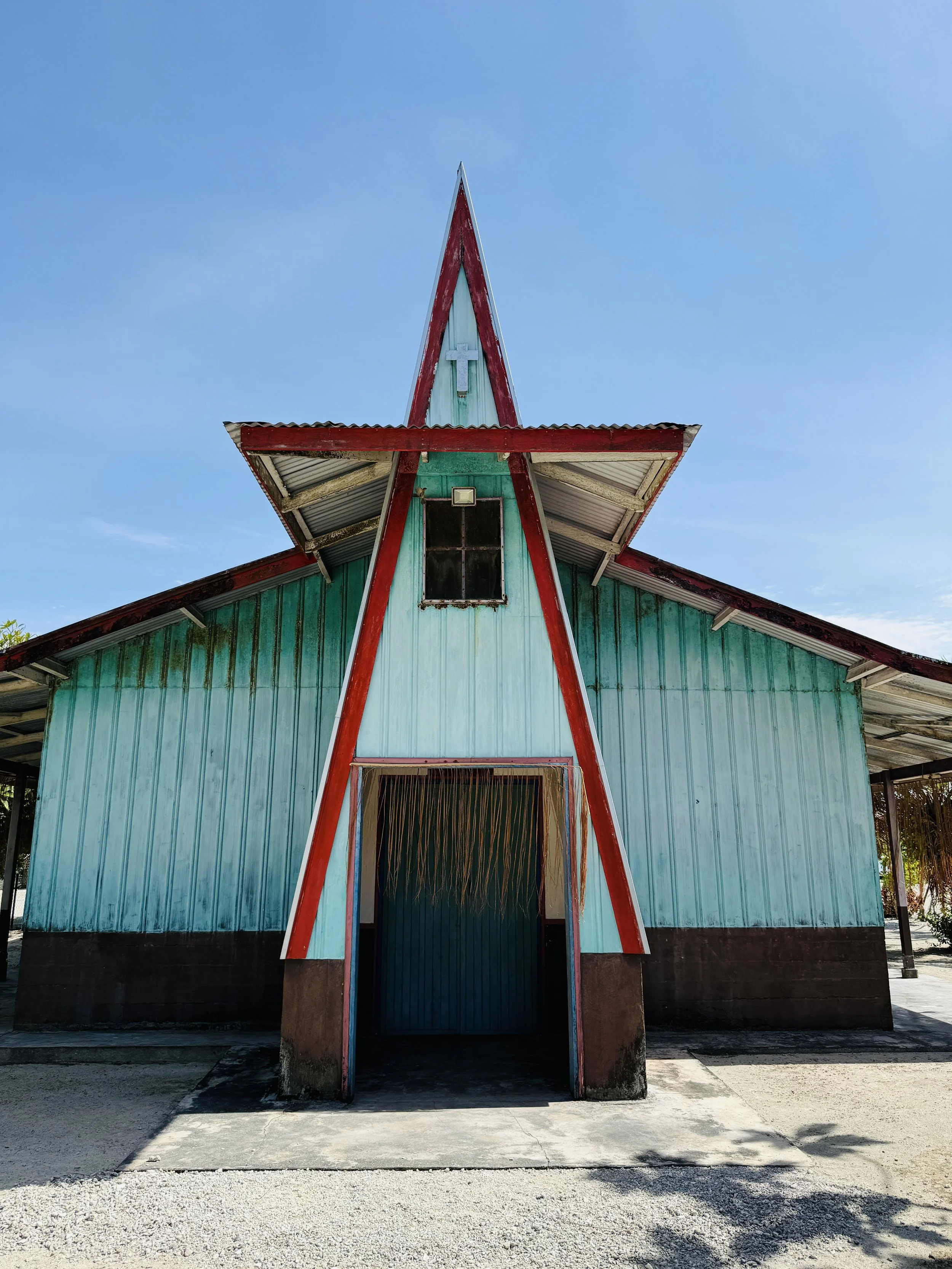
Our leaving day is a Sunday, so we go to church. I like the sermon a lot. Our Pastor friend preaches Matthew 5:14–16 conveying to the congregation they are the light of the world. He says, wherever you go, take your light. I like this. The singing is seriously shrill with infinite layers of harmony. The acoustic is dense, uplifting, with an intensity that makes the air feel thick, and the sound almost touchable. It is glorious.
The farewell is solemn. Not a dry eye in the house. I can’t find Nelson to say goodbye so I press a wee drawing notebook and coloured pencils into one of the elder women’s palm and ask: can you please get these to Nelson. Probably best he wasn’t there, I might have snatched him up, along with as many pineapples as I could carry, and taken them home to Strannik with me. We wave goodbye and we wave goodbye, we blow our horn and wave goodbye some more.